
How to Plan a Bathroom Renovation in Dublin from Start to Finish
A tired, dated bathroom is one of the quickest things to knock the shine off an otherwise lovely Dublin home, yet a full renovation can feel like one of the most daunting projects a homeowner ever takes on. Between choosing a layout, selecting tiles, and coordinating tradespeople, it is easy to see why so many people put the job off for years. The good news is that with the right plan in place, a bathroom renovation does not have to be stressful at all.
This guide walks you through the process from the very first idea to the moment you step into your finished space, so you know exactly what to expect at each stage. Whether you are working with a compact en-suite or a larger family bathroom, understanding the planning journey will help you make confident decisions, avoid costly surprises, and get a result you will enjoy for years to come.
1. Start With a Clear Vision and Budget
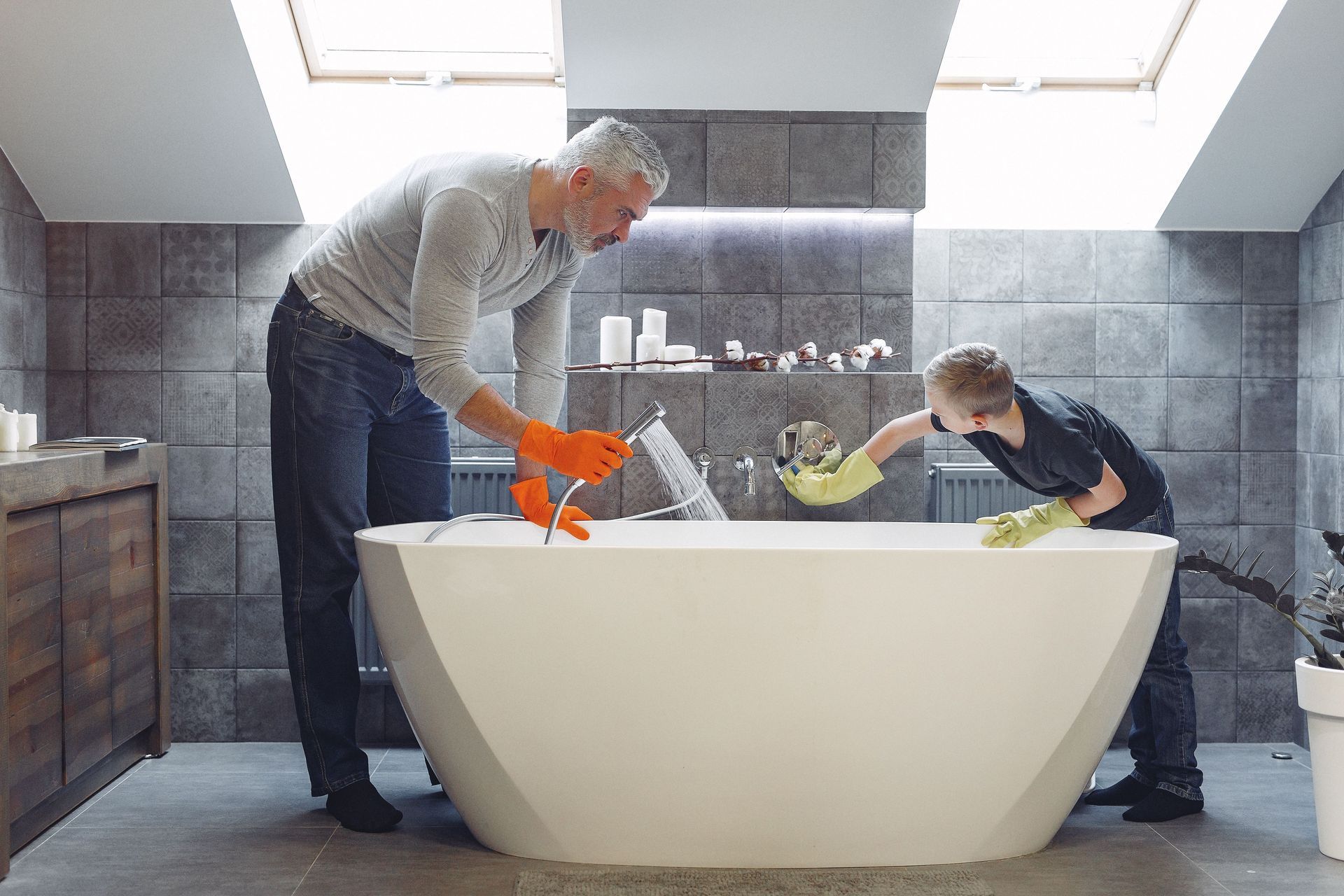
Every successful bathroom renovation in Dublin begins long before a single tile is lifted. Take time to think about how your household actually uses the space day to day. Do you need a bath for young children, or would a spacious walk-in shower suit your lifestyle better? Writing down your priorities early makes every later decision easier.
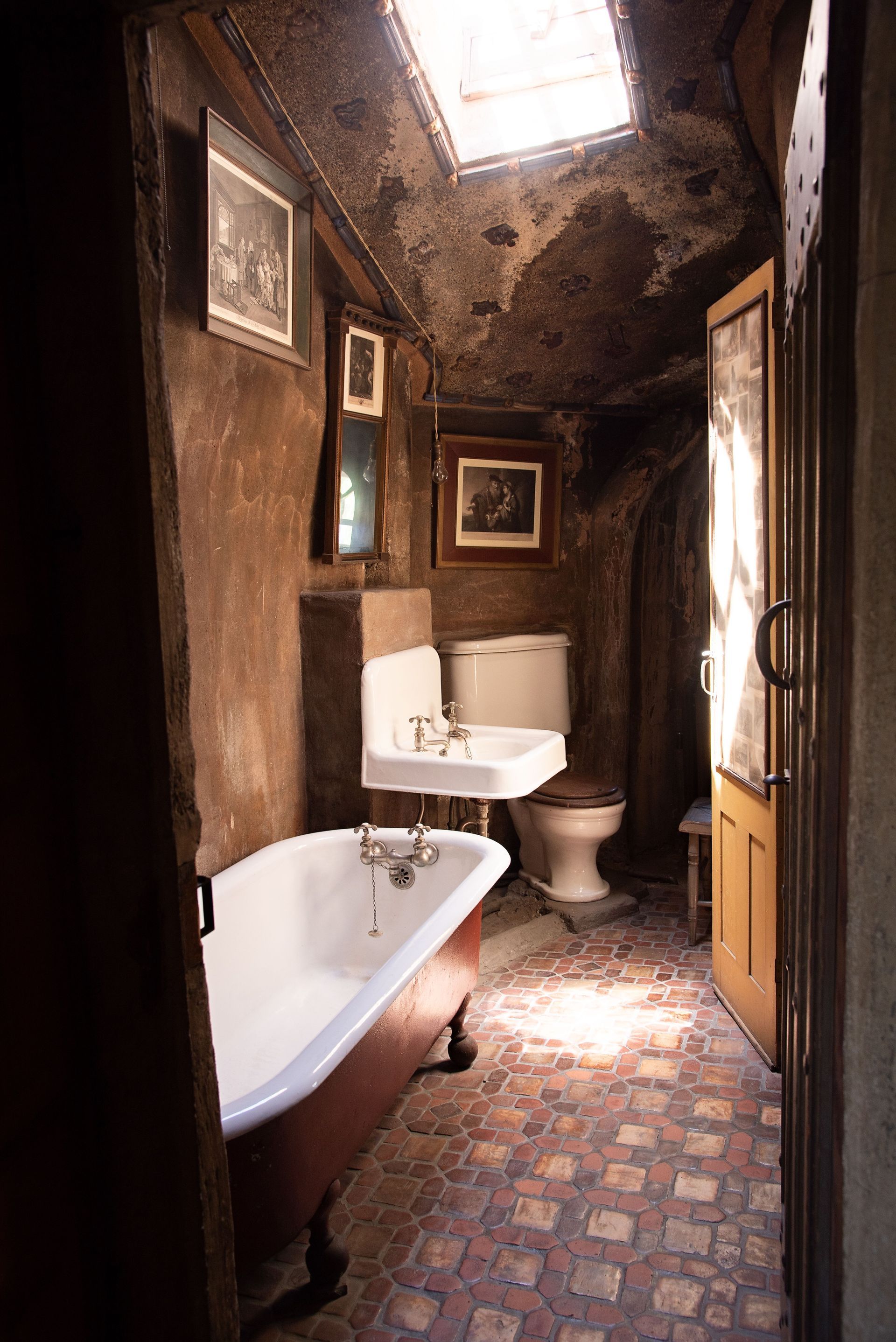
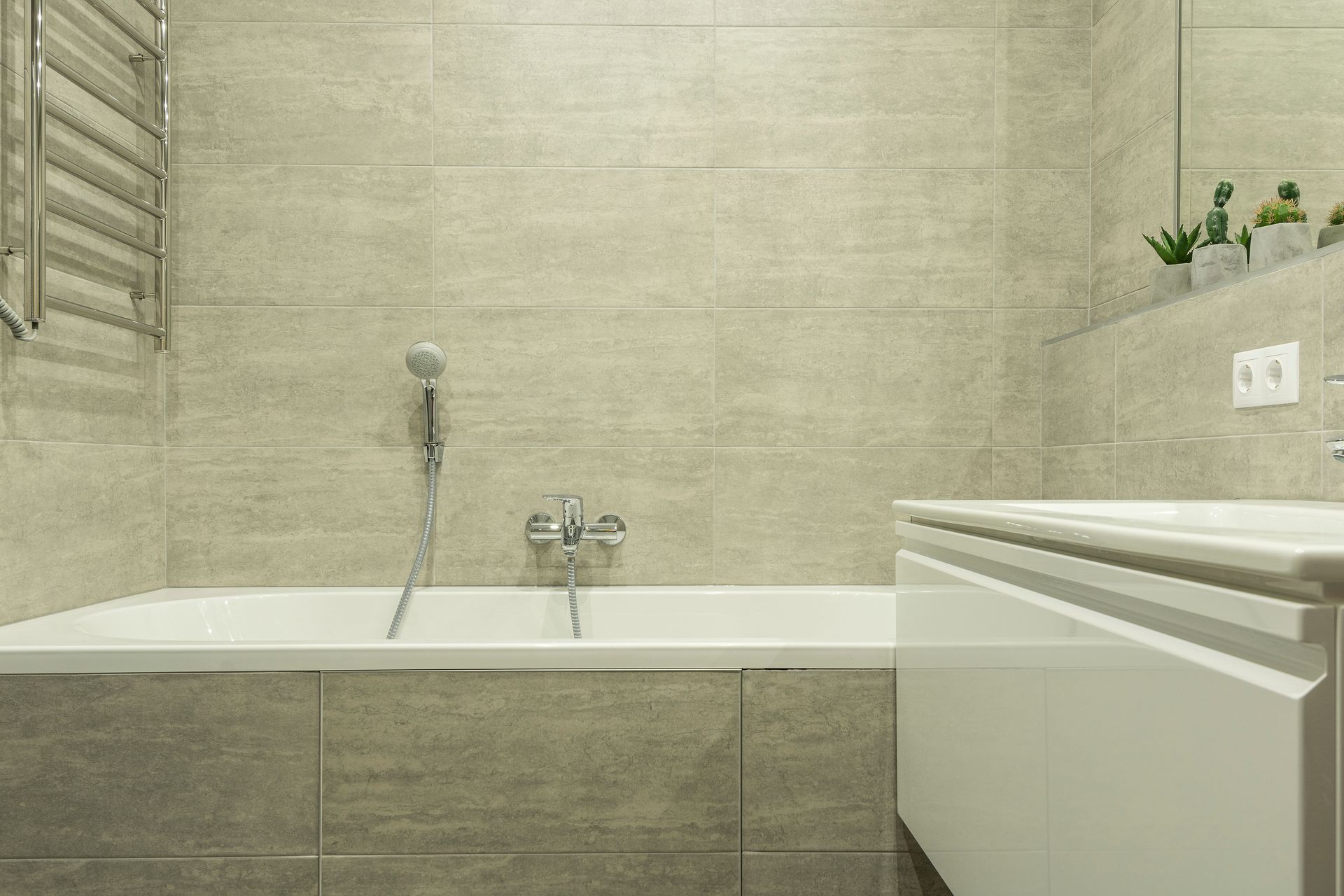
Once you have a general vision, set a realistic budget. Costs in Dublin can vary considerably depending on the size of the room, the quality of fittings, and the amount of structural work required, so it helps to build in a contingency of around ten to fifteen percent for anything unexpected, such as older pipework that needs updating. Gathering a few reference images of styles you like, whether that is a sleek contemporary finish or a softer classic look, will also help you communicate your ideas clearly.
If the upfront cost feels like a barrier, it is worth knowing that flexible finance options are available, allowing Dublin homeowners to spread the cost of their renovation rather than paying everything at once. This can make a higher-quality finish far more achievable than many people expect.
2. Design Your Layout and Choose Your Fittings
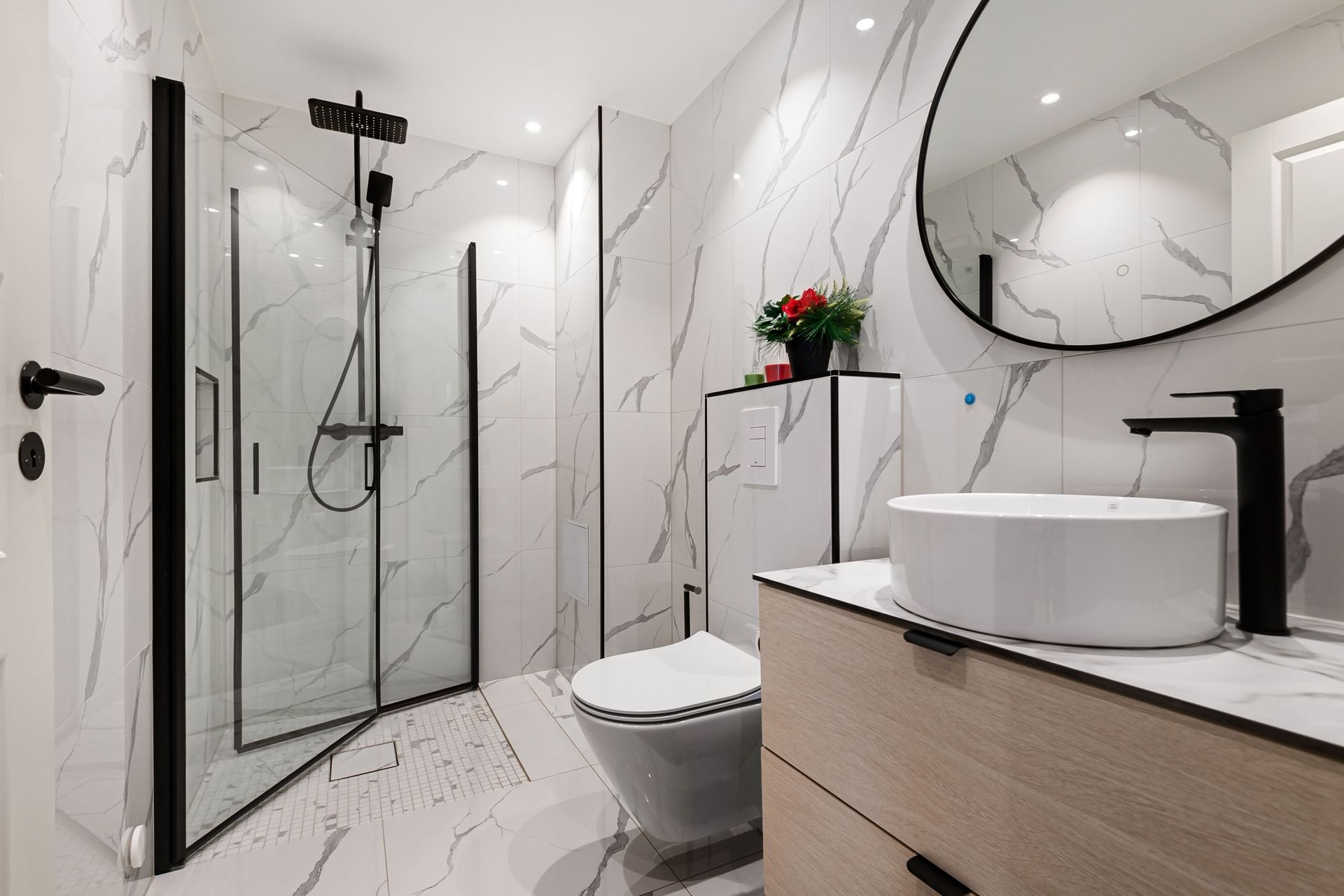
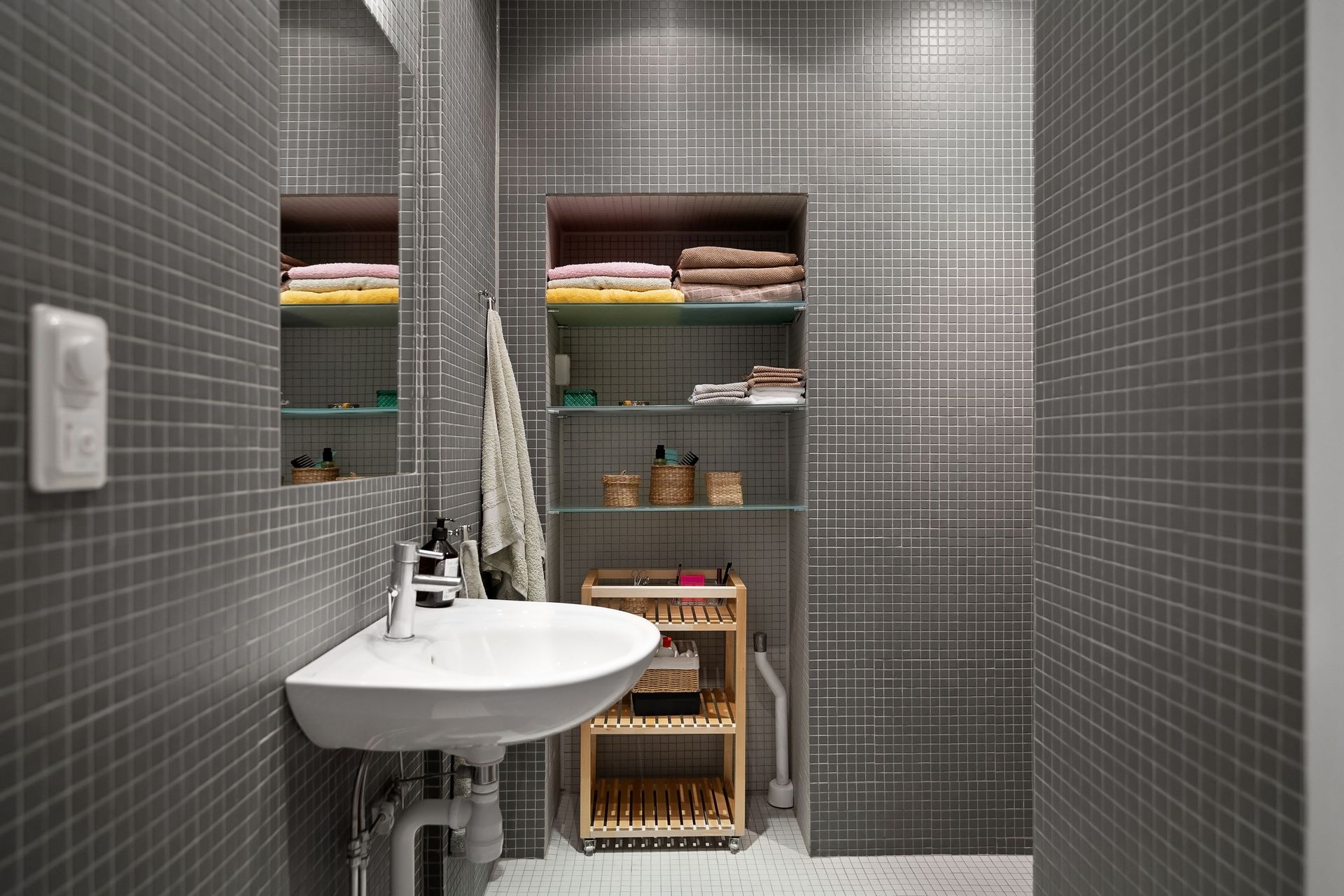
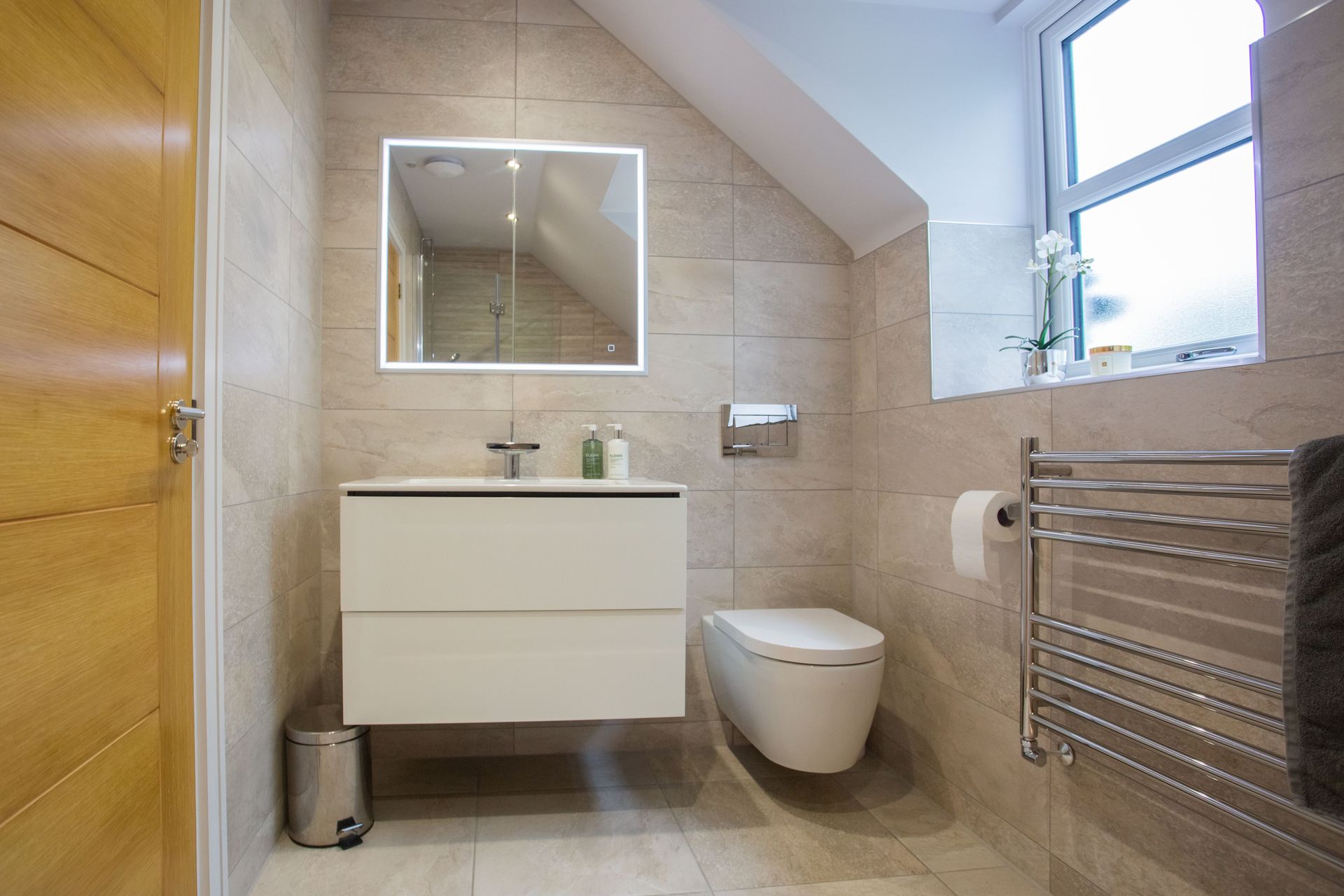
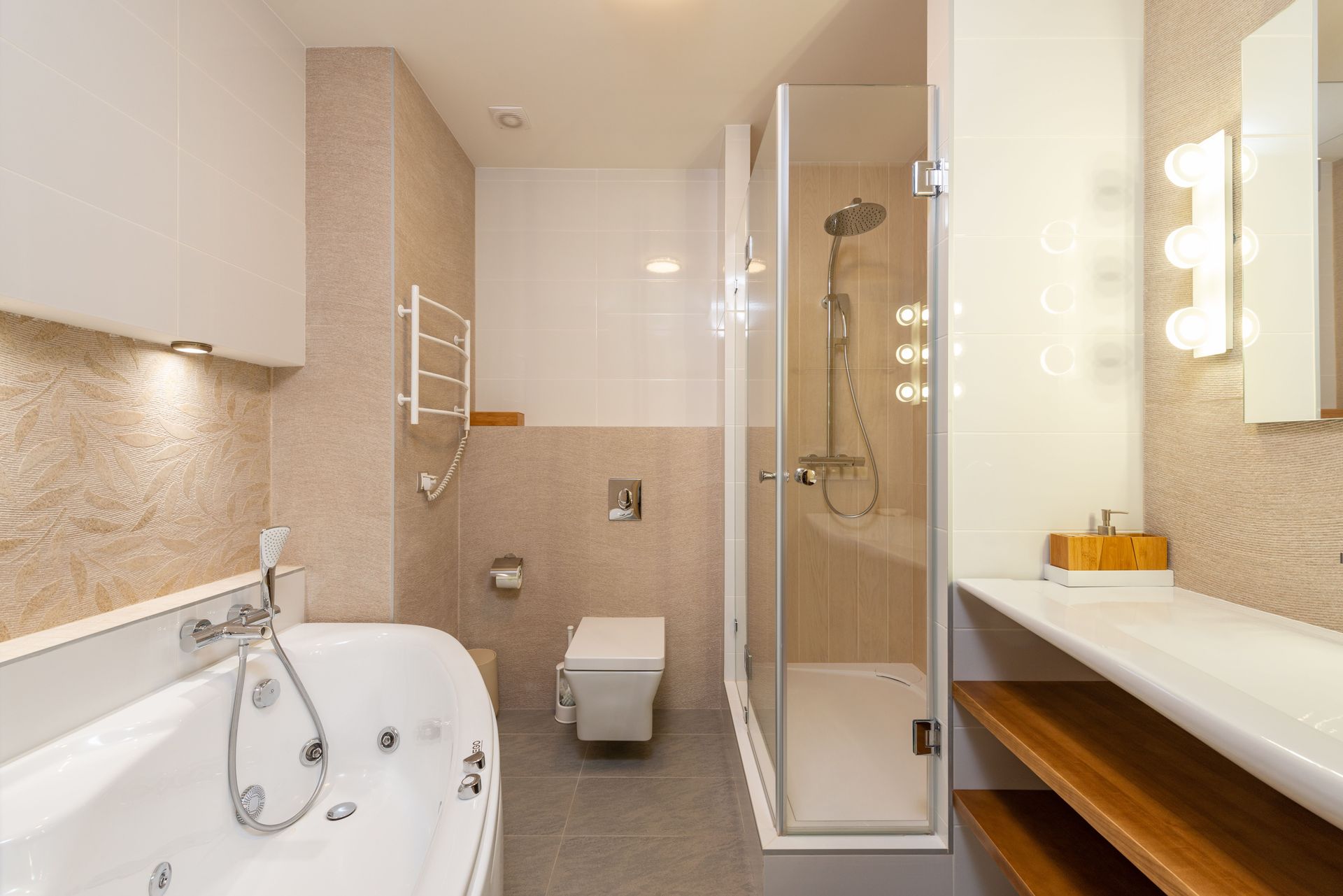
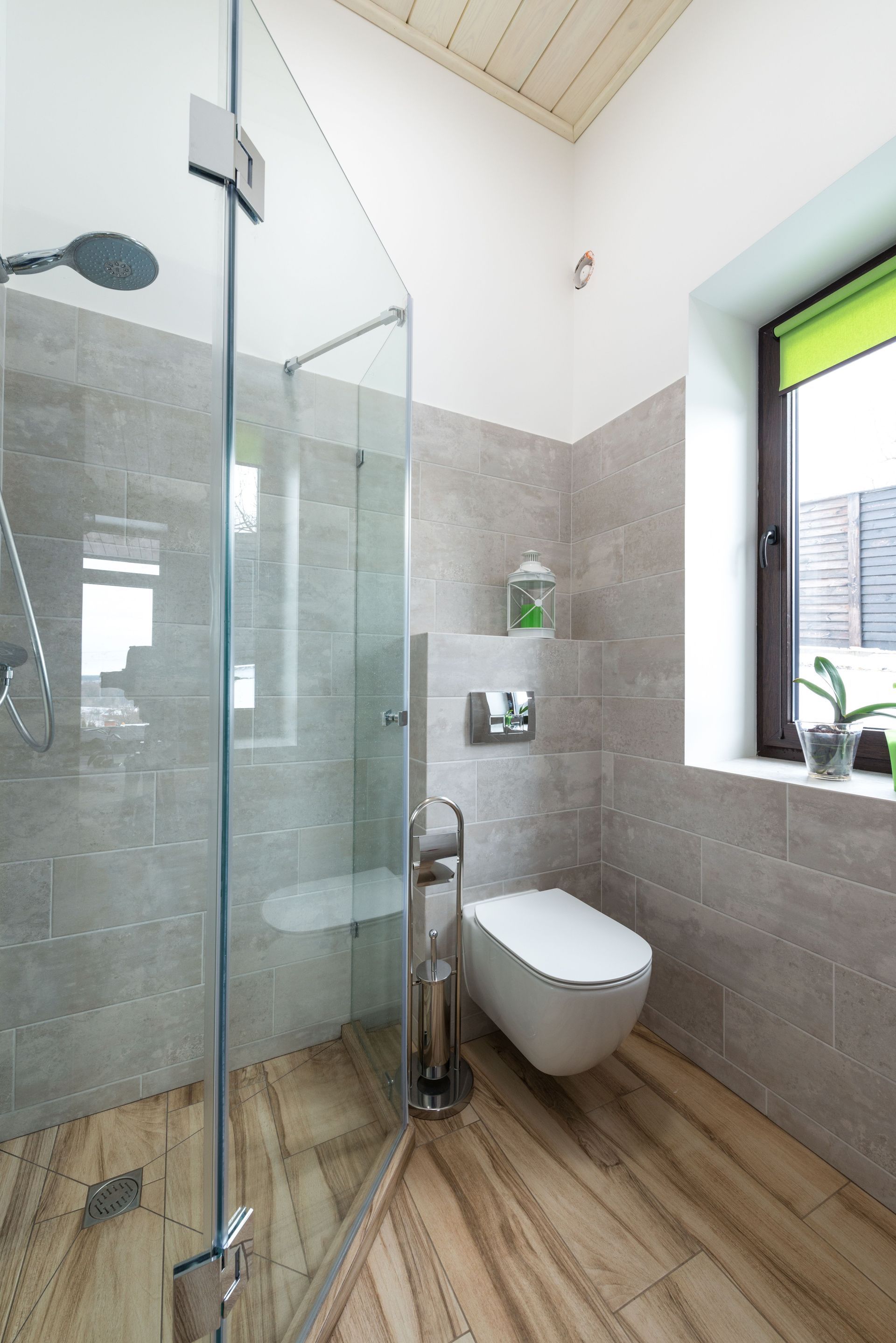
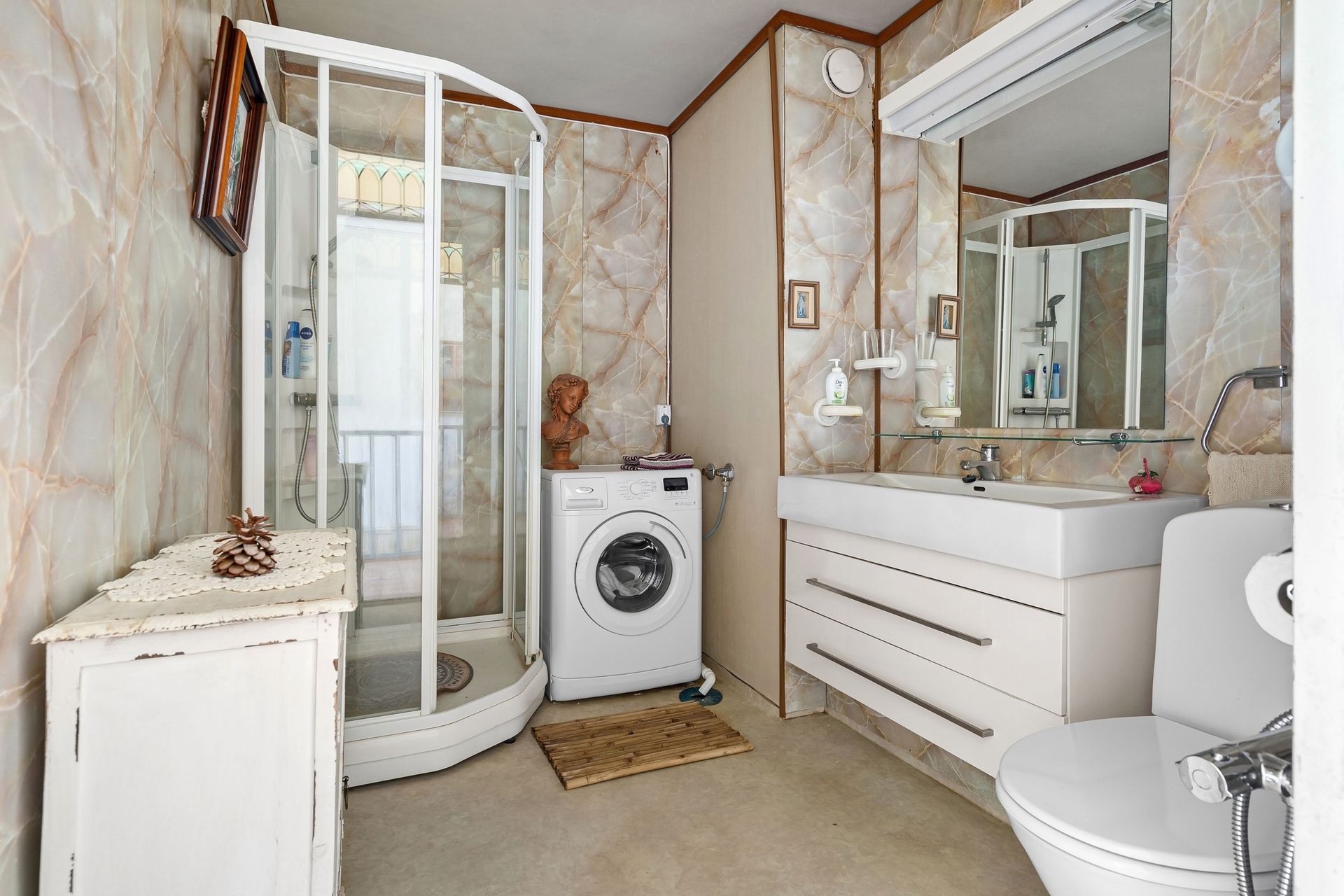
With your budget in mind, the next stage is turning ideas into an actual layout. A good designer will consider the position of existing plumbing, the natural light in the room, and how much storage you need before recommending where the bath, shower, toilet and vanity should sit. Small adjustments to a layout can make a surprisingly big difference to how spacious a bathroom feels once it is finished.
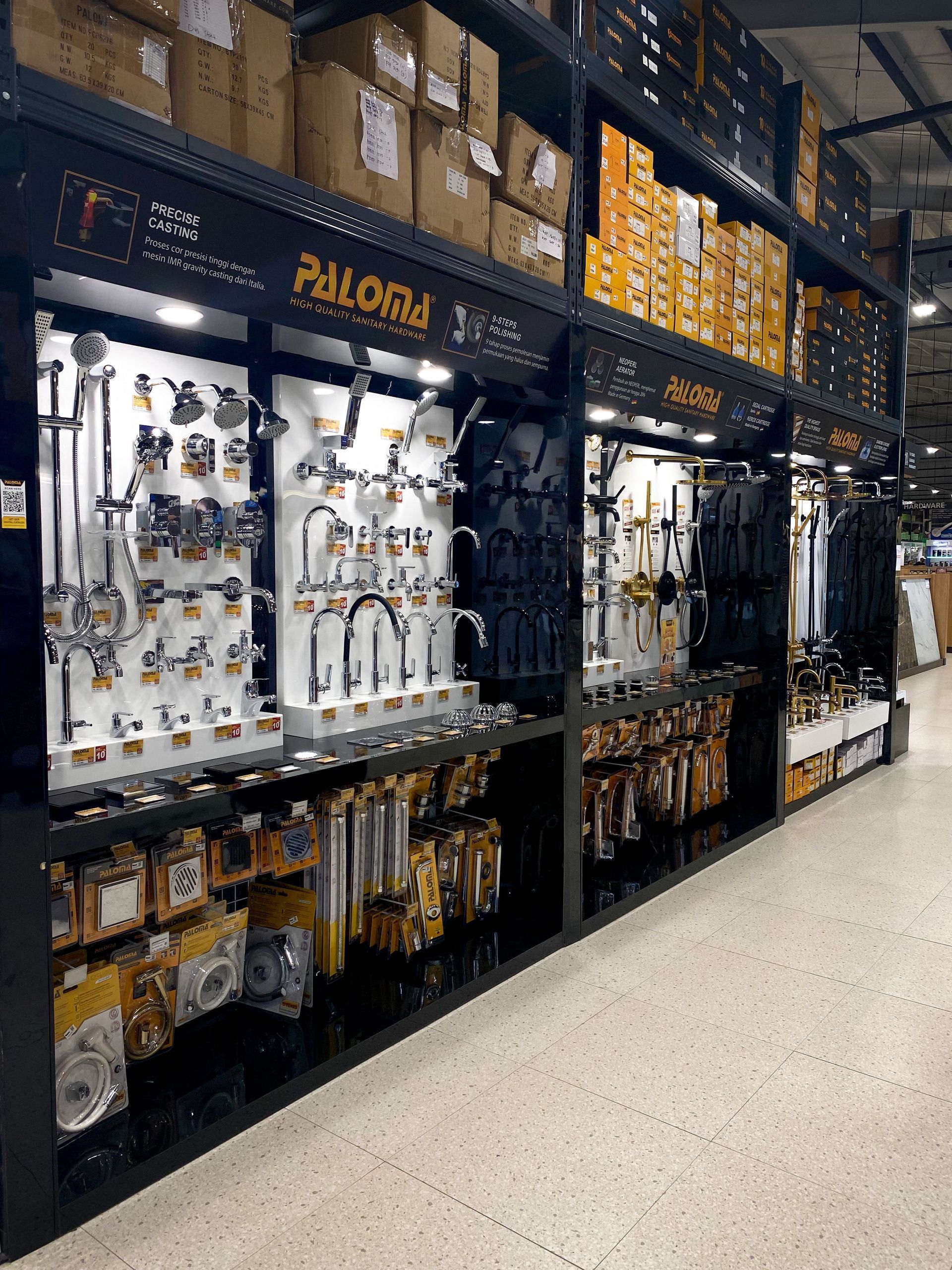
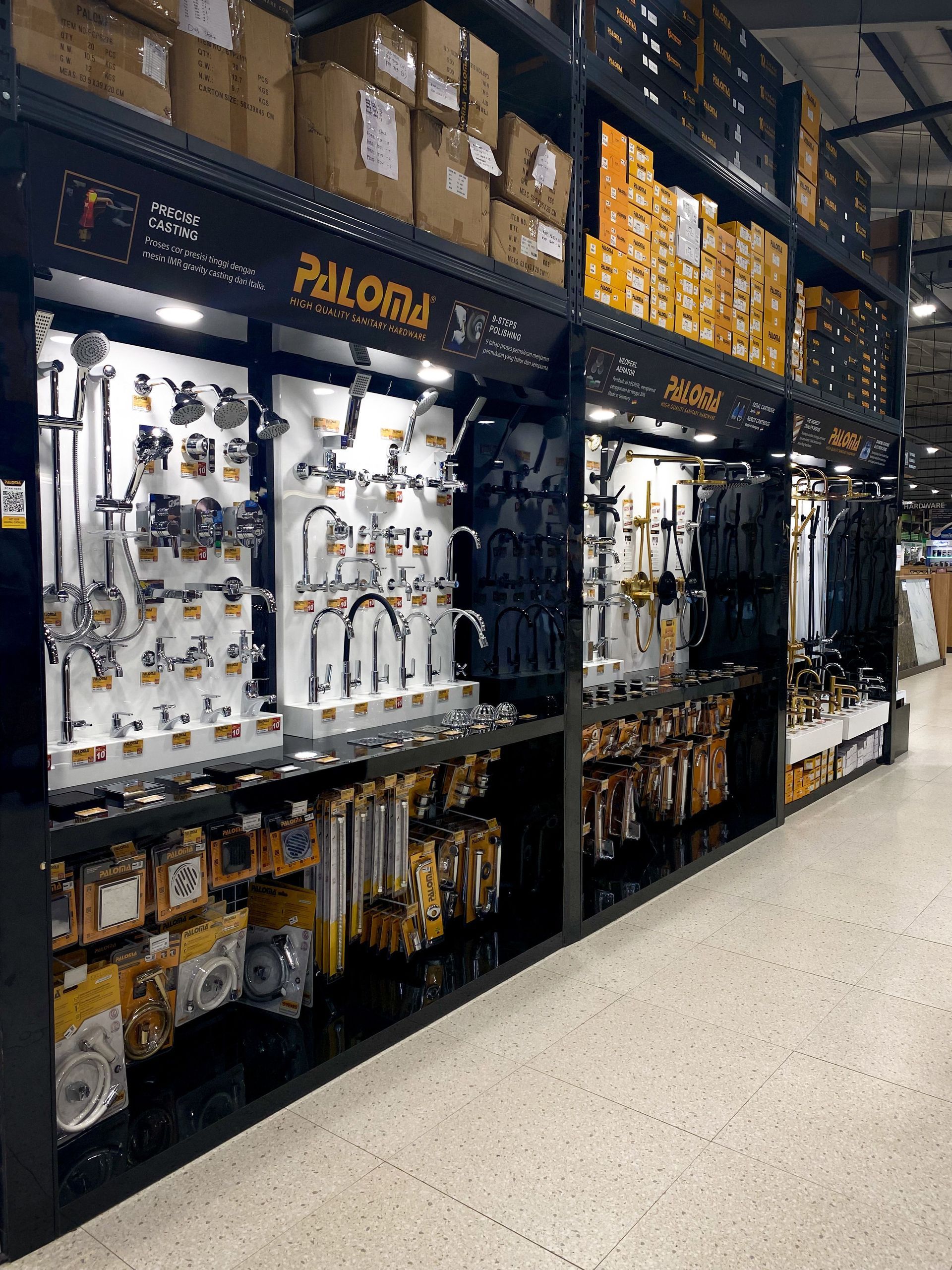
This is also the stage where a showroom visit becomes genuinely valuable. Seeing tiles, sanitaryware and shower enclosures in person, rather than on a screen, gives you a much better sense of texture, scale and colour. Many Dublin homeowners find that browsing a showroom sparks ideas they had not considered, from a bidet shower toilet for added comfort to a statement tile that becomes the focal point of the room.
Take your time choosing tiles, taps and fixtures at this point, since these are the details you will see and use every single day. Ask plenty of questions about durability and maintenance, particularly for a busy family bathroom, so that the finishes you choose continue to look their best for years after installation.
3. What Happens During the Fit-Out
Once the design is finalised, a professional bathroom fitter will typically begin with removal of the old suite, followed by any plumbing or electrical work needed to support the new layout. Proper waterproofing is applied before tiling begins, protecting the surrounding structure of your Dublin home from moisture damage over the long term. This stage is not glamorous, but it is one of the most important for the longevity of your new bathroom.
After waterproofing and first-fix plumbing, tiling and fitting of the bath, shower or bidet shower toilet takes place, followed by the vanity, toilet and any finishing hardware. A well-organised team will keep you informed throughout, so you always know what stage the project has reached and roughly how many days remain.
How long should you expect this stage to take? For most standard Dublin bathrooms, a full fit-out is completed within one to two weeks once work begins on site, though larger or more complex projects, such as those involving structural changes, can take a little longer. A reliable fitter will always give you a clear timeframe before work starts.
4. Finishing Touches and Handover
In the final days of your renovation, attention turns to sealing, grouting, and fitting accessories such as mirrors, shelving and lighting. This is also the point where any snagging is addressed, meaning small details are checked and corrected so the finished bathroom meets a high standard throughout.
A trustworthy fitter will walk you through the finished space, explain how to care for your new tiles, fittings and any bidet shower toilet features, and make sure you are completely satisfied before considering the job complete. Good aftercare guidance now saves you time and worry later.
Planning a bathroom renovation in Dublin does not need to be overwhelming when you break it down into these clear stages: setting a vision and budget, designing the layout and choosing fittings, understanding the fit-out process, and finishing with a proper handover. With careful planning and the right team beside you, your new bathroom can be ready to enjoy sooner than you think.
If you are ready to start planning your own bathroom renovation, The Factory Outlet would love to help. Call our Dublin team today on (01) 457 9229 or email info@thefactoryoutlet.ie to book a consultation or arrange a showroom visit.