

Choosing Taps and Mixers for Your Dublin Bathroom
How to Select Bathroom Taps and Mixers in Dublin
Choosing bathroom taps and mixers in Dublin is one of the smaller decisions in a renovation, but it is one you live with every single day. A tap that splashes, a shower that swings between hot and cold, or a finish that marks after a few months will spoil an otherwise well-fitted room. This article covers the main tap types for basins, baths and showers, how your home's water system affects what will work, and what to look for in finishes, internal parts and installation.
Getting this right early matters because taps and mixers are tied to decisions made long before the room is finished. The number of tap holes in a basin, the height of the pipework in the wall and the position of a concealed shower valve are all fixed at the planning and first-fix stage. Changing your mind after tiling is costly, so it pays to understand the options before anything is ordered.
Start With Your Water System
Before looking at styles, find out how hot and cold water reach your bathroom. Dublin housing stock varies widely, from Victorian and Georgian terraces to 1970s semi-detached homes and recent apartments, and the plumbing in each can be very different. The water system decides which taps and showers will perform properly.
- Combi boiler or pressurised system. Hot and cold water both arrive at mains pressure. Most modern basin mixers and thermostatic shower valves work well on this type of system.
- Gravity-fed system. Common in older Dublin homes, with a cold water tank in the attic feeding a hot water cylinder. Pressure depends on the height of the tank above the outlet, so a first-floor bathroom may have very little.
- Mixed or unbalanced supply. Mains cold water combined with tank-fed hot water. A standard mixer can struggle here because the stronger cold supply overpowers the hot.
Every tap and shower valve has a minimum operating pressure listed in its specification. If your home is on a gravity-fed system, choose products rated for low pressure, or discuss whether a pump is needed for the shower. Fitting a high-pressure mixer to a weak supply is one of the most common reasons for disappointing performance after a bathroom renovation.
Basin Taps and Mixer Options
The basin is where taps get the most use, so comfort and splash control matter as much as appearance. The right choice depends on the basin you have chosen and how the room is laid out.
Monobloc basin mixers
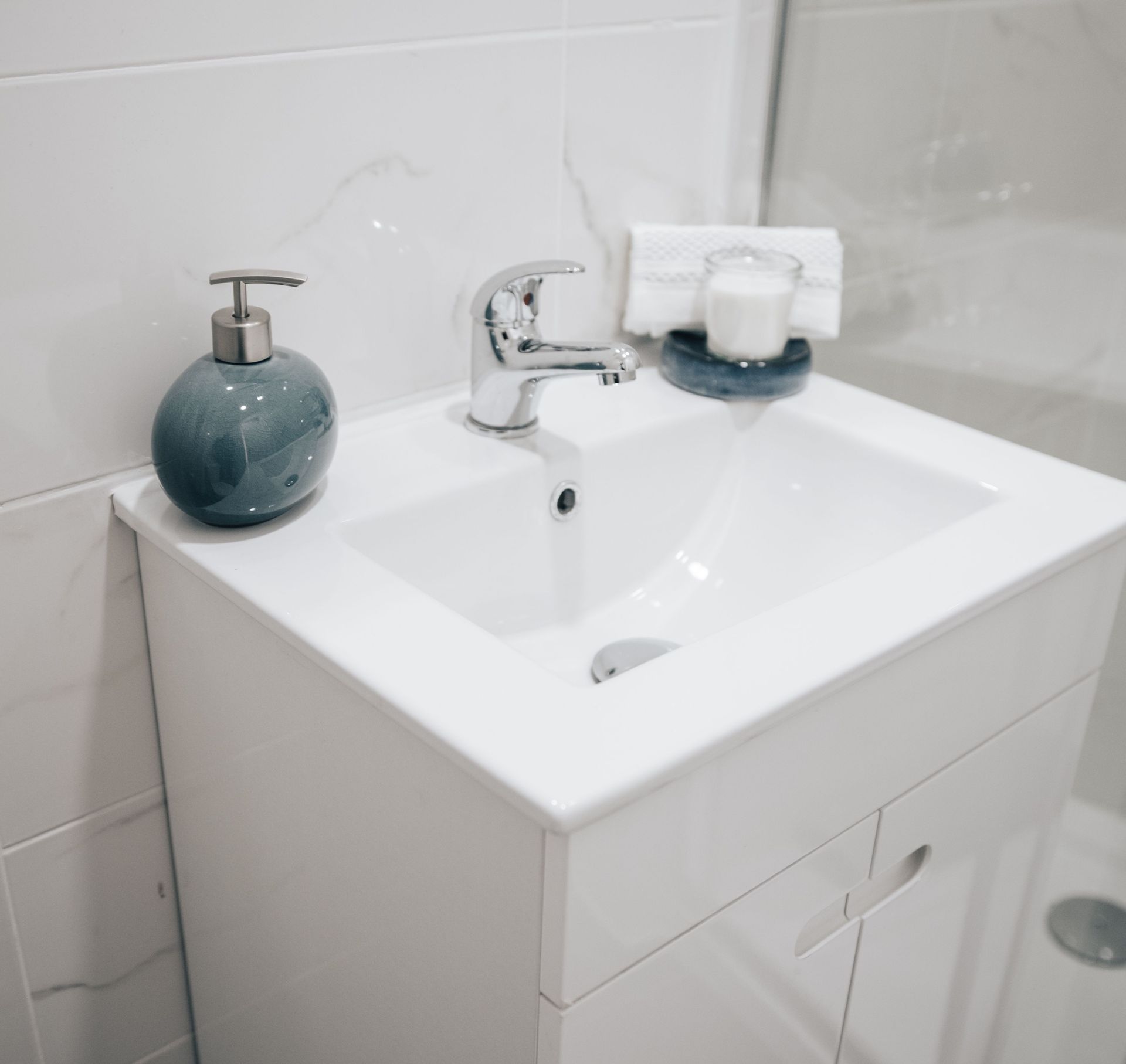
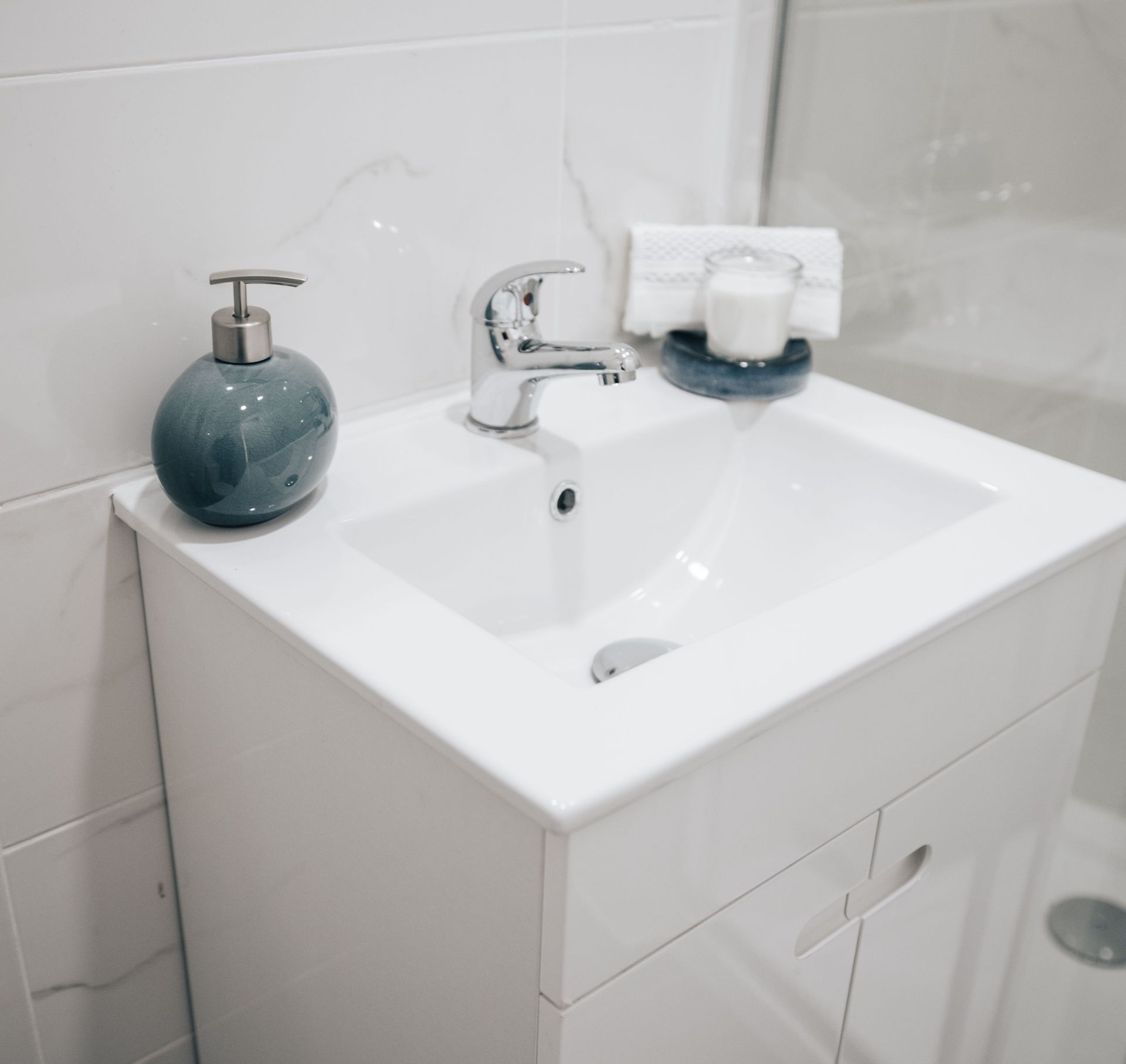
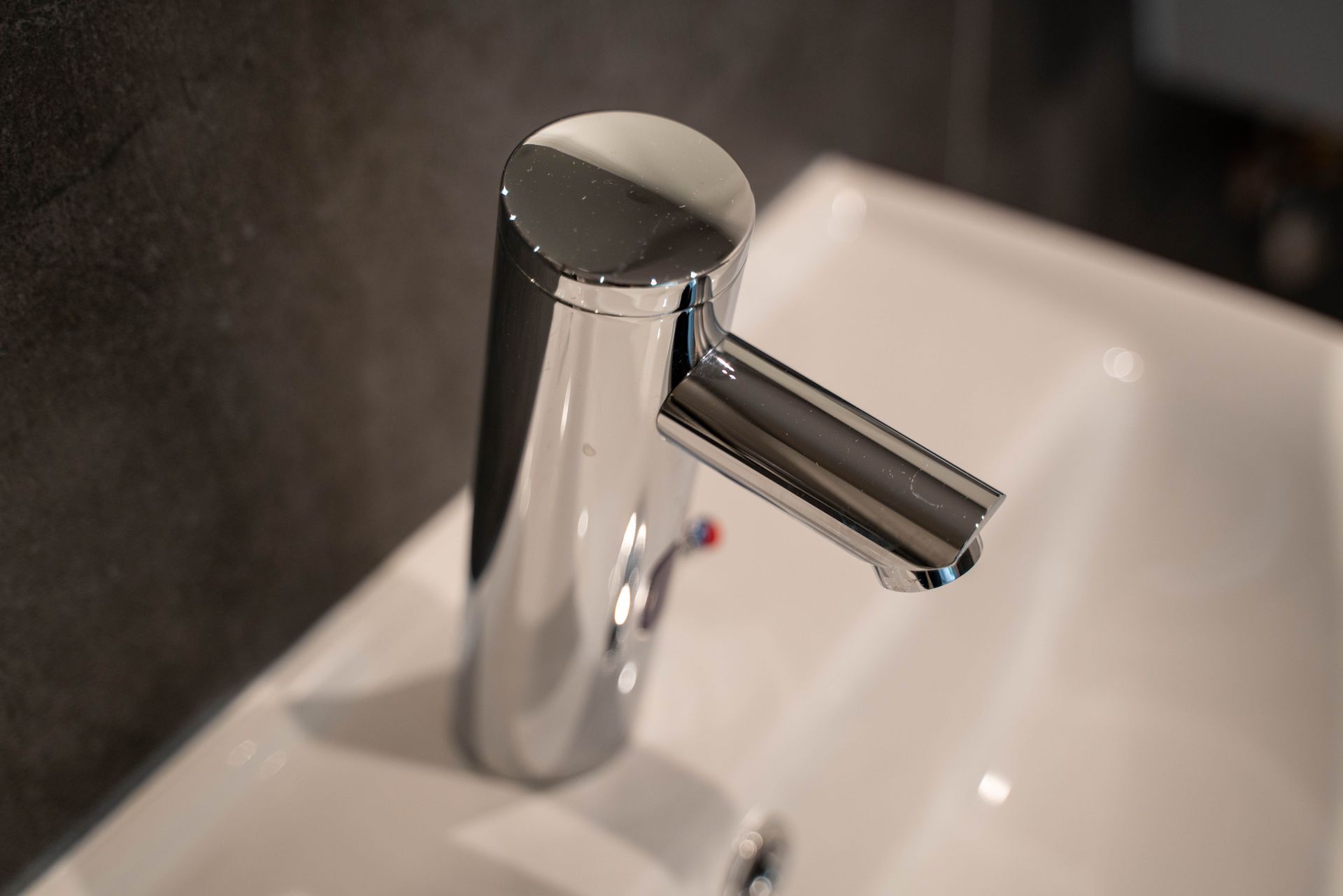
A monobloc mixer has a single body and spout and sits in one tap hole. Most have a single lever that controls both flow and temperature, which makes them easy to use with wet or soapy hands. They suit the majority of modern basins and vanity units and are a common choice in Dublin bathroom renovations.
Pillar taps
Pillar taps are a separate hot and cold pair, each in its own tap hole. They suit traditional and period-style bathrooms, particularly in older Dublin terraces where a classic look is wanted. The drawback is that water comes out either hot or cold rather than mixed, so they are better suited to a cloakroom or a deliberately traditional scheme.
Tall and wall-mounted mixers
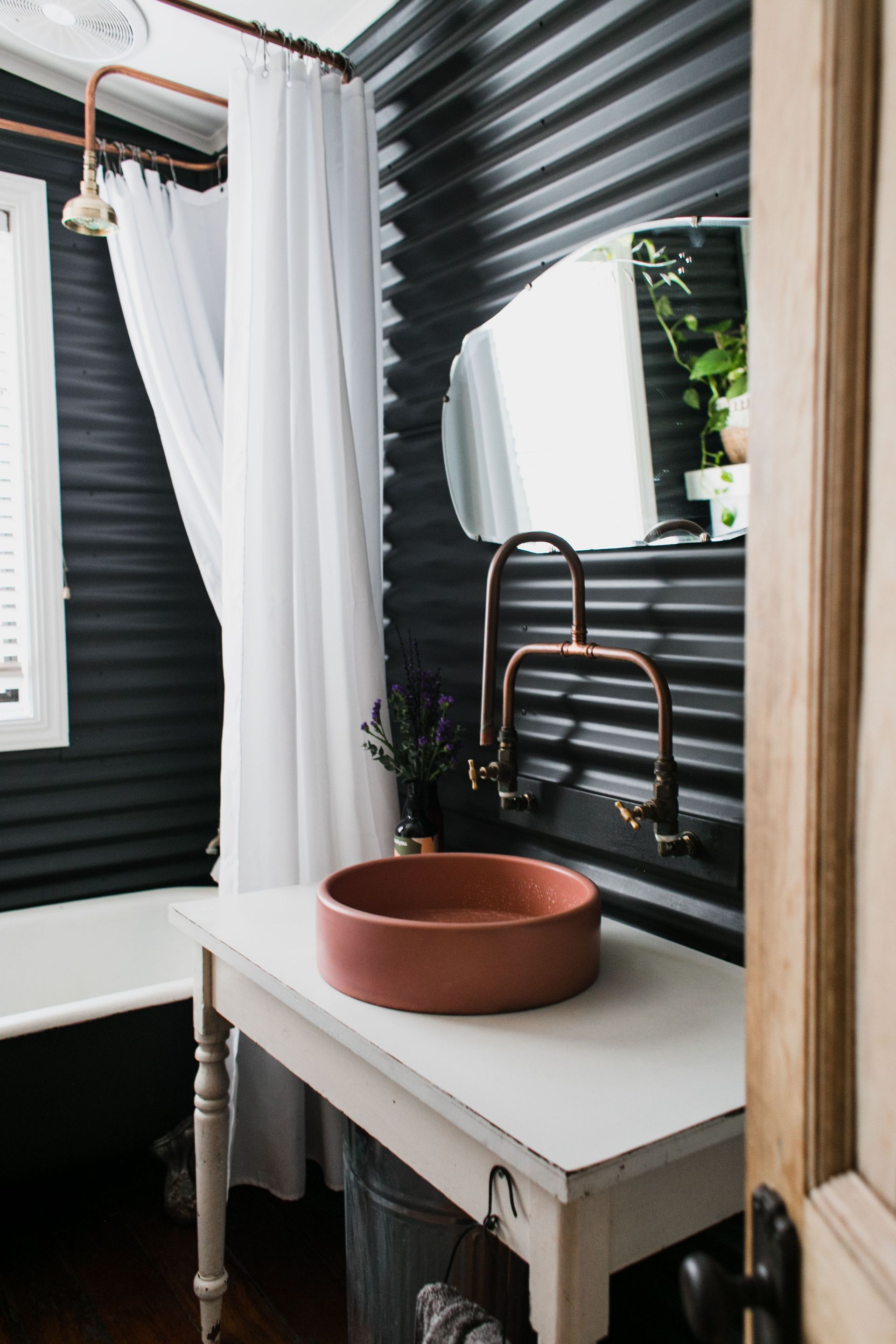
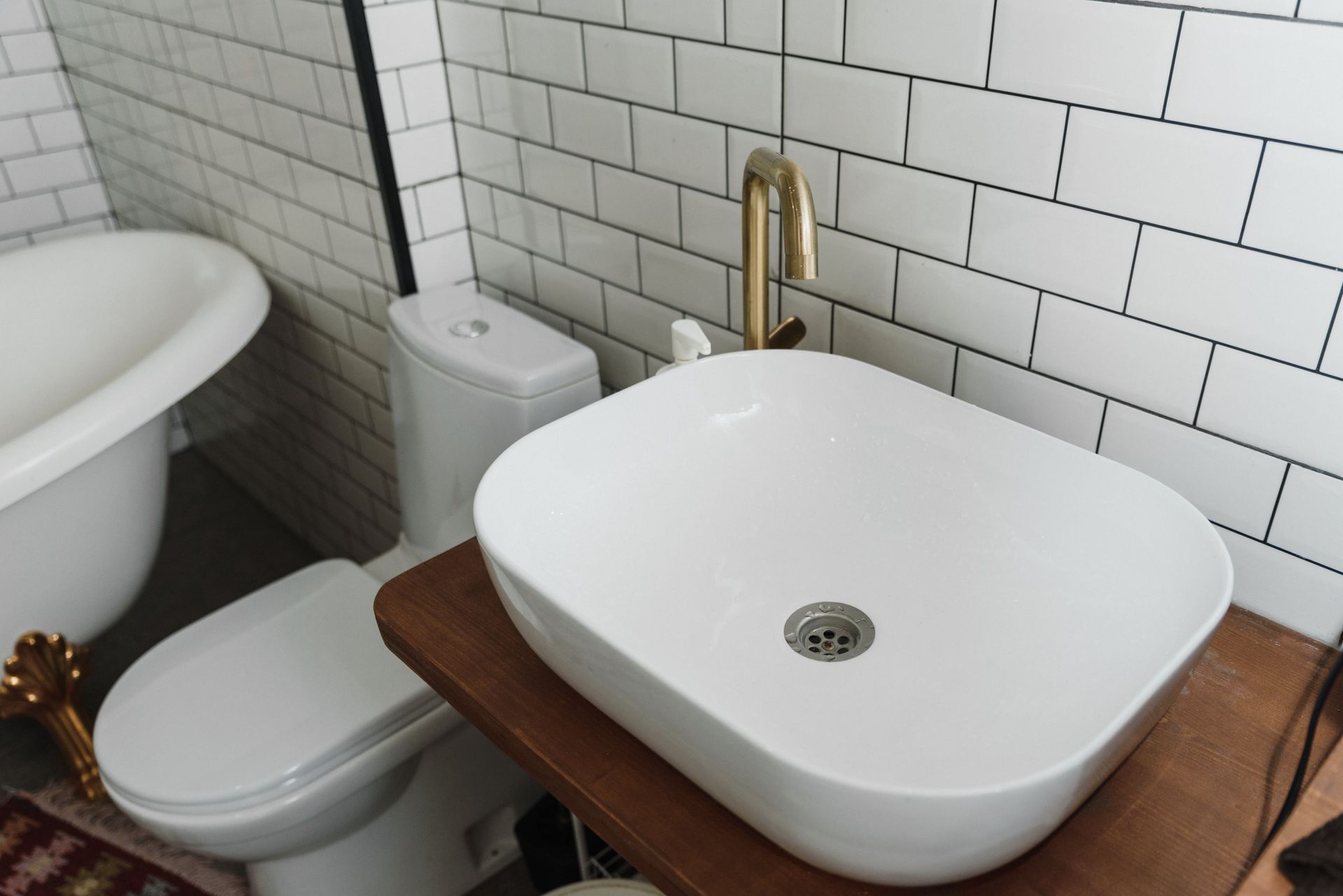
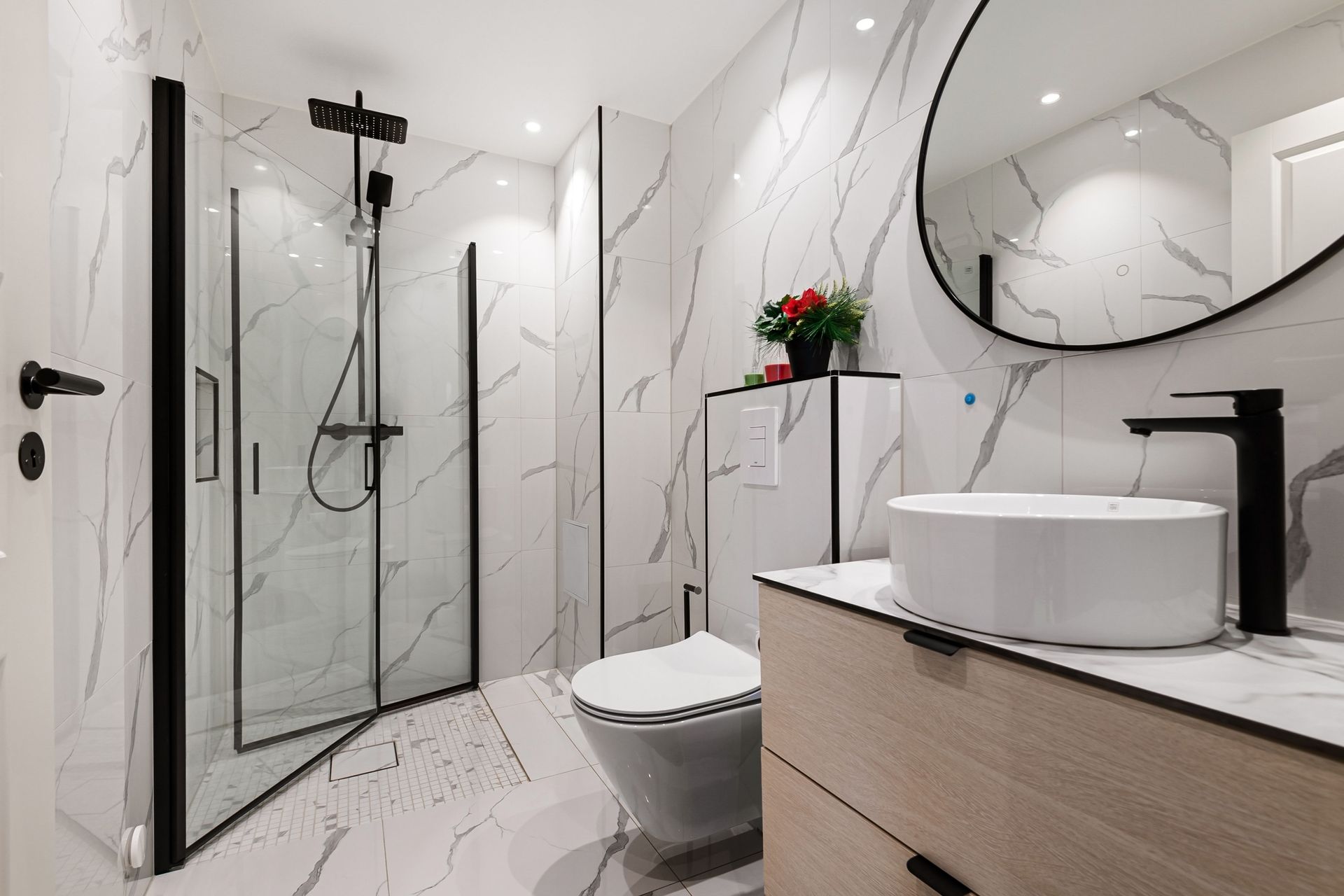
A countertop or vessel basin sits above the vanity surface, so it needs either a tall-bodied mixer or a wall-mounted tap. Wall-mounted taps keep the vanity top clear and easy to wipe down, but the pipework has to be set in the wall at exactly the right height before tiling. With any basin tap, check the spout reach. If the water lands too close to the back of the bowl it will splash, and if it reaches too far forward it will spray over the rim.
Choosing a Shower Mixer
For most homes with a decent water supply, a mixer shower is the main alternative to an electric shower. It blends hot and cold water from your existing system rather than heating water itself, which usually gives a stronger and more consistent flow.
A thermostatic shower mixer is the type we would recommend for nearly every bathroom. It holds the outlet temperature steady when someone runs a tap or flushes a toilet elsewhere in the house, and it includes a safety stop, usually set around 38°C, that has to be pressed before the water gets hotter. That makes it a sensible choice for family bathrooms and for anyone with young children or older relatives in the house. A manual mixer is simpler and cheaper, but it gives no protection against sudden temperature changes.
Exposed or concealed valves
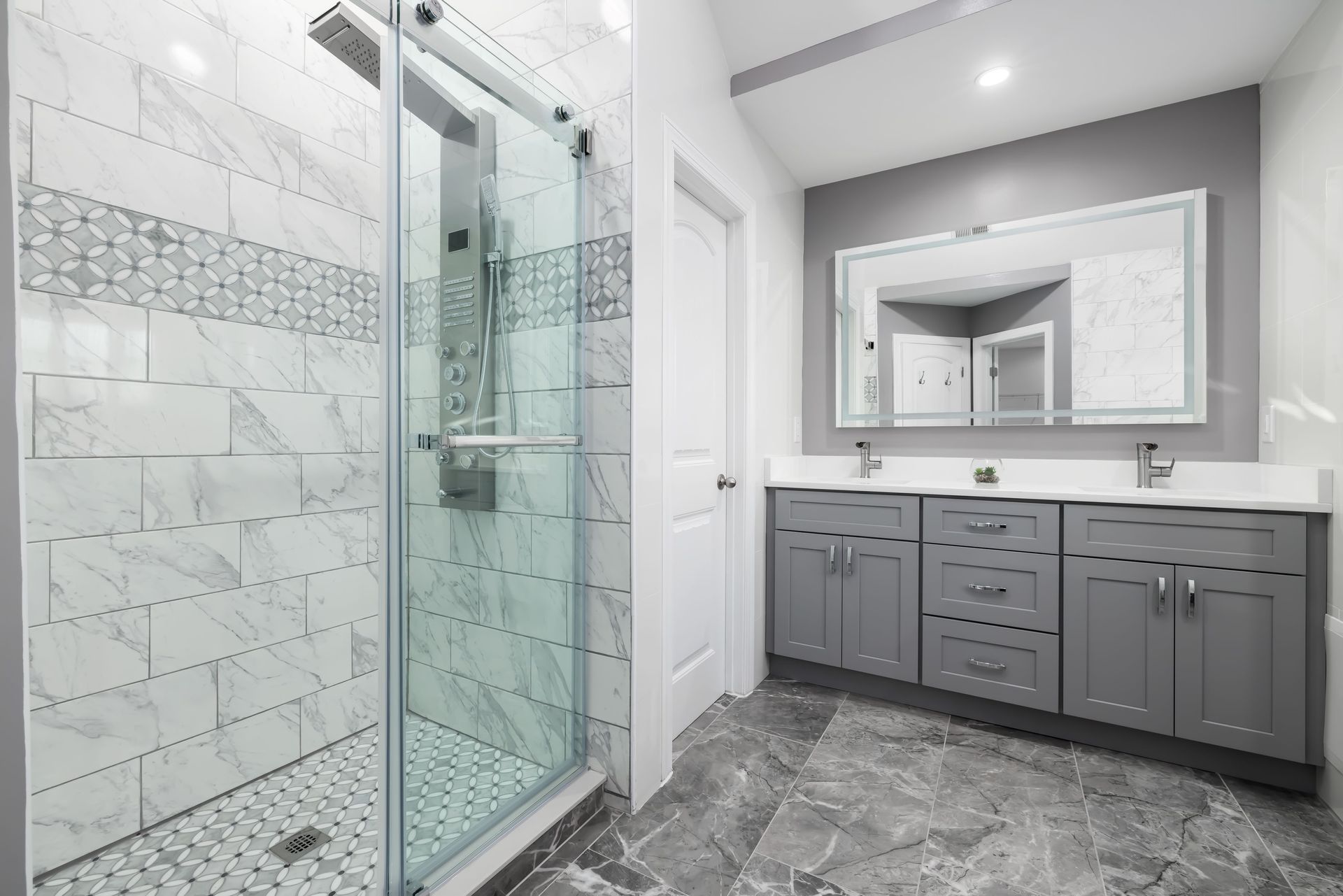
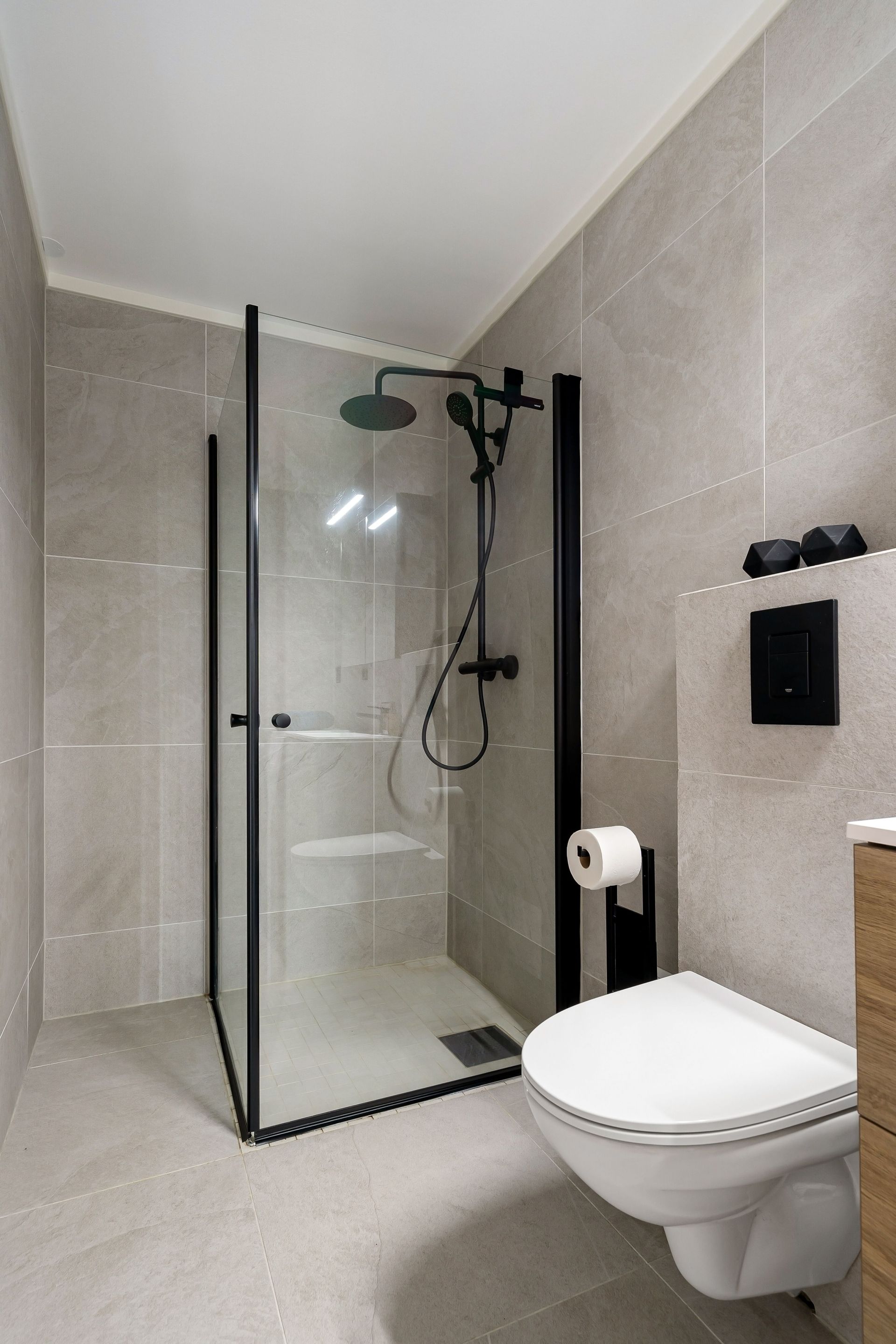
An exposed thermostatic bar valve sits on the surface of the wall, which makes it quicker to fit and easier to service. A concealed valve is built into the wall with only the controls and shower outlets showing, giving a cleaner finish. Concealed valves need careful planning, because the valve body and pipework are fixed before tiling and access for future servicing has to be considered. If you want a fixed rainfall head as well as a handheld spray, you will need a valve with a diverter or a second outlet.
Bath Taps and Bath Shower Mixers
Bath taps are chosen around the bath itself and how it is used. The main options are:
- Deck-mounted bath filler. A mixer fitted to the rim or deck of the bath, suited to standard built-in baths.
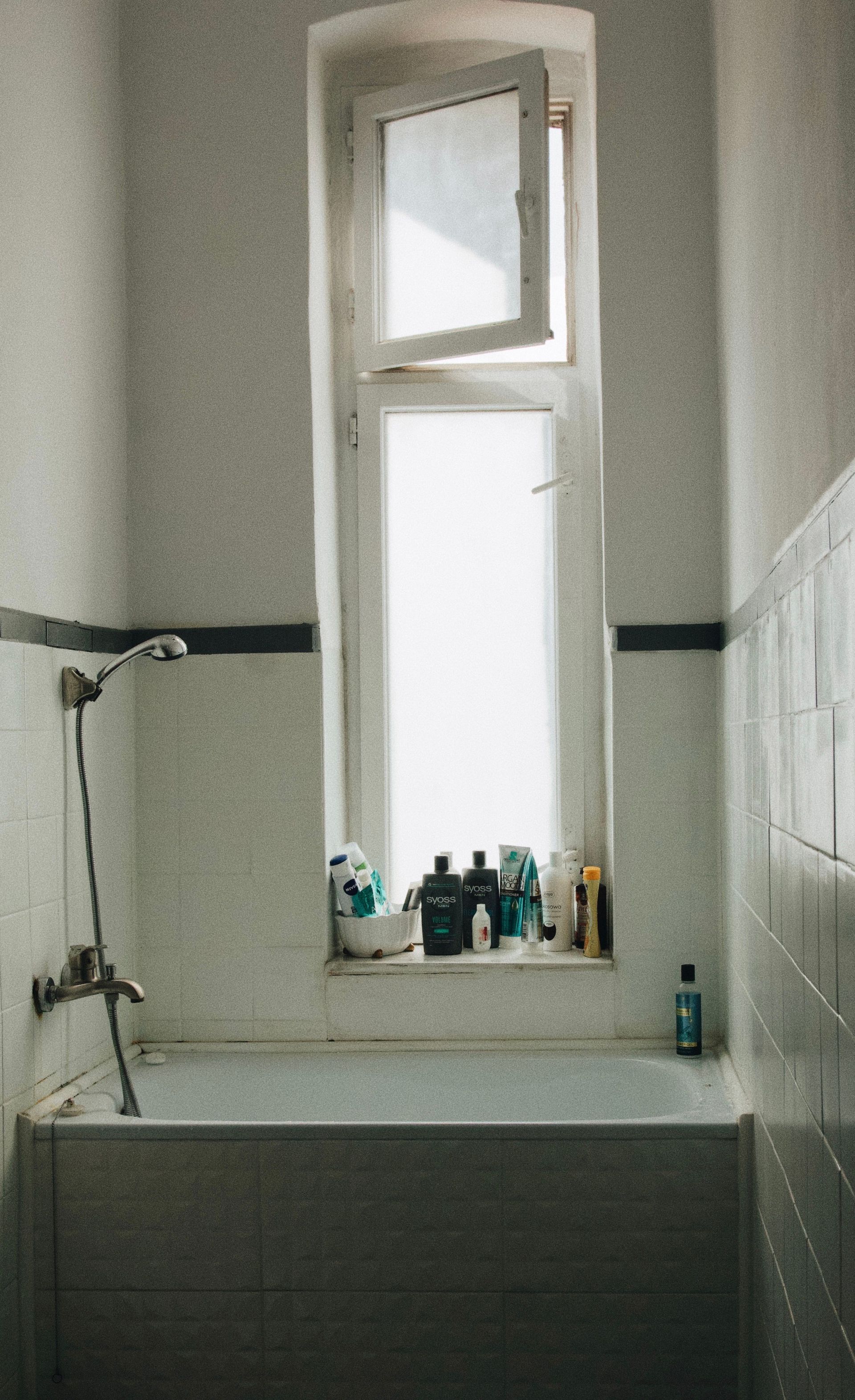
- Bath shower mixer. A deck-mounted mixer with a diverter and a handset, useful for rinsing hair or cleaning the bath where there is no separate shower.
- Wall-mounted bath spout. Keeps the bath edge clear and gives a fitted look, but the supply must be positioned before the wall is tiled.
- Floor-standing bath mixer. Designed for freestanding baths, with pipework run up through the floor, which needs to be planned before the floor is laid.
Flow rate matters more on a bath than anywhere else, because a slow filler on a low-pressure system can take a long time to fill a full-size bath. If your home is gravity-fed, look for a bath filler with a wide waterway that is rated for low pressure.
Finishes, Cartridges and Build Quality
Polished chrome remains the most practical finish because it is hard-wearing, easy to clean and matches most bathroom accessories. Brushed nickel, matt black and brushed brass have become popular choices for a more distinctive look. Better-quality coloured finishes use a PVD coating, which is far more resistant to scratching and fading than a simple painted or plated layer. Whatever you choose, keep the finish consistent across the basin tap, shower, bath filler, waste and towel rail.
Inside a quality tap you should expect a solid brass body and a ceramic disc cartridge. Ceramic cartridges give a smooth lever action and resist wear far better than old-style rubber washers. A tap that feels noticeably light in the hand is often made with thinner metal or plastic internals and is unlikely to last as long.
Water hardness varies across Dublin, and limescale can build up on aerators and shower heads over time. Choose taps with removable aerators and shower heads with flexible rubber nozzles that can be rubbed clean. Clean all finishes with a soft cloth and mild soap, and avoid abrasive pads or strong descalers, which can damage chrome and coloured coatings.
Planning Installation and Cost
The price of taps and mixers is shaped by brand, body material, cartridge type and finish, but installation has an equally large effect. Concealed shower valves, wall-mounted basin taps and floor-standing bath mixers all need more first-fix work and must be set out accurately before tiling begins. Exposed and deck-mounted fittings are quicker to install and easier to replace later.
Seeing and handling taps in person makes the decision far easier. You can feel the weight of a mixer, try the lever action and compare finishes side by side in our bathroom showrooms in Dublin. You can also browse our bathroom and tile brochures to shortlist styles before you visit, and if you are planning a full renovation, our flexible finance options allow you to spread the cost.
The best bathroom taps and mixers for a Dublin home are the ones matched to your water system, your basin and bath, and the way your household uses the room. Confirm your water pressure first, choose a thermostatic shower mixer where possible, check spout reach and tap holes, and settle on one consistent finish. Make these decisions before first fix and the result will look right and work properly for years.
If you would like advice on taps and mixers for your bathroom, contact The Factory Outlet to arrange a consultation or visit our Dublin showroom. Call us on (01) 457 9229 or email info@thefactoryoutlet.ie.